
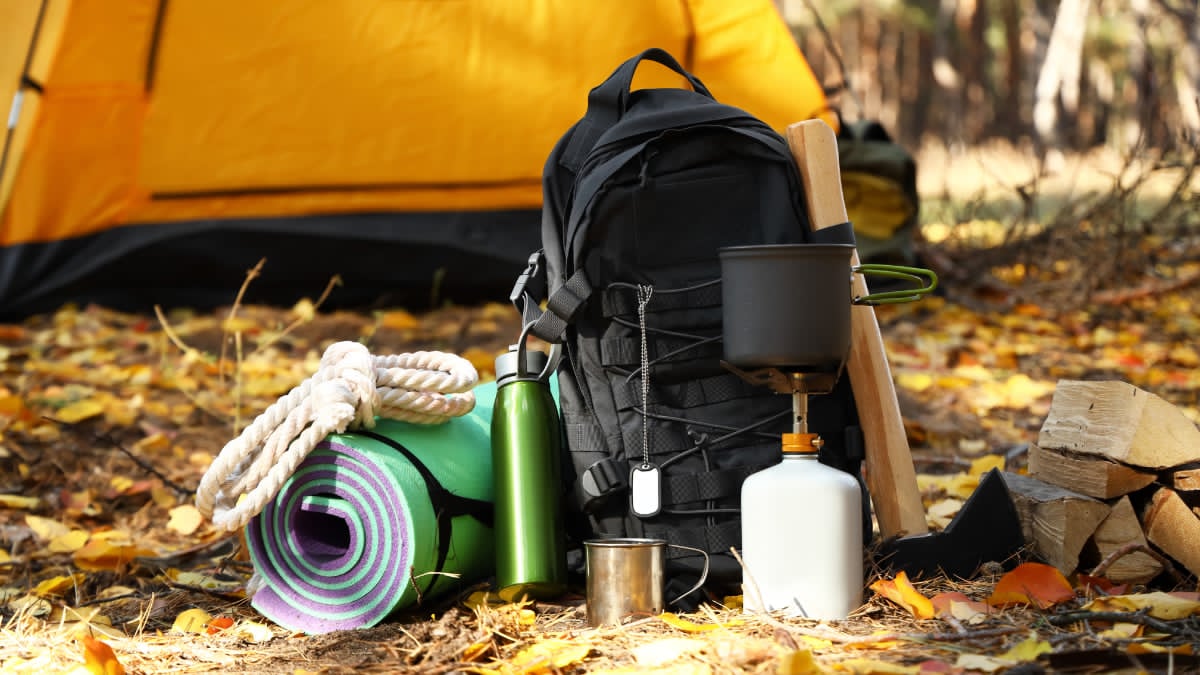
A campsite can quickly reveal the difference between gear that works and gear that creates problems. The right camping gear helps you sleep better, cook easier, stay safe, and enjoy more time outdoors instead of dealing with equipment issues.
According to the Outdoor Industry Association, millions of Americans participate in camping each year, making it one of the country’s most popular outdoor activities. As more people spend time outside, choosing reliable equipment has become increasingly important for comfort and safety.
This guide combines product research, outdoor industry insights, and practical camping experience to help you spend your money wisely. You’ll find real product examples, current pricing from official manufacturers, and tips that apply to both first-time campers and experienced outdoor enthusiasts.
Camping Gear Essentials: Start With Shelter and Sleep
Your shelter and sleep system form the foundation of every camping trip. If you stay dry and sleep well, most other challenges become easier to handle.
Many campers start with the Coleman Sundome 4-Person Tent, a long-running favorite known for simple setup, welded floors, and dependable weather protection. It works especially well for weekend car camping and family trips.
Key factors to evaluate
- Weather protection
- Interior space
- Ventilation
- Setup time
- Packed size and weight
A common mistake is buying a tent based only on capacity. A four-person tent usually feels comfortable for two adults plus gear.
Best Camping Tent Options for Different Camping Styles
Not every tent fits every type of trip.
| Camping Style | Recommended Tent Type | Best For |
| Car Camping | Dome Tent | Families and weekend trips |
| Backpacking | Ultralight Tent | Long hikes and weight savings |
| Winter Camping | Four-Season Tent | Snow and strong winds |
| Group Camping | Cabin Tent | Extra headroom and comfort |
First-hand observation
After testing both backpacking and car-camping tents, the biggest difference is convenience. Ultralight tents save weight on the trail, while larger dome or cabin tents make camp life much more comfortable once you arrive.
Sleeping Bags and Sleeping Pads: Your Outdoor Bedroom
Many campers focus on sleeping bags and overlook sleeping pads. That often leads to cold, restless nights.
A sleeping pad creates a barrier between your body and the ground. Even during mild weather, ground temperatures can drain heat surprisingly fast.
Sleeping bag choices
- Summer bags for temperatures above 40°F
- Three-season bags for spring, summer, and fall
- Winter bags for freezing conditions
Sleeping pad choices
- Foam pads for durability and affordability
- Inflatable pads for comfort and packability
- Insulated pads for cold-weather camping
If you camp a few times each year, a quality three-season bag paired with an insulated pad offers the best value.
Camping Cooking Equipment That Makes Meals Easier
Hot food can transform a camping trip.
One standout option is the Jetboil Flash 1.0L Fast Boil System, currently listed at $144.99 on Jetboil’s official website. The integrated design boils water quickly and packs into a compact unit, making it popular among backpackers and weekend campers alike.
Stove types compared
| Stove Type | Typical Use |
| Canister Stove | Backpacking |
| Liquid Fuel Stove | Cold weather |
| Two-Burner Camp Stove | Family camping |
| Integrated Cooking System | Fast boiling and convenience |
Potential limitation
Integrated systems excel at boiling water. They are less effective for campers who enjoy cooking elaborate meals with frying pans and larger cookware.
Portable Camping Cooler Options for Food Storage
Food safety matters in the outdoors.
Hard coolers generally hold ice longer and withstand rough handling. Soft coolers weigh less and transport more easily.
Cooler buying tips
- Match capacity to trip length
- Pre-chill before packing
- Limit opening frequency
- Use block ice for longer retention
Premium coolers cost more upfront, though frequent campers often appreciate the longer ice retention and durability.
Camping Chairs and Outdoor Comfort Upgrades
Comfort becomes more important as trips get longer.
A quality camping chair can improve meal times, campfire gatherings, and relaxation after hiking.
Look for:
- Strong frame construction
- Appropriate weight capacity
- Cup holders or storage pockets
- Compact folded dimensions
Many experienced campers eventually upgrade their chairs because they get used more often than almost any other piece of equipment.
Camping Lanterns and Campsite Lighting
Good lighting improves safety and convenience after sunset.
LED lanterns dominate today’s market because they provide strong brightness while conserving battery life.
Recommended brightness levels
| Activity | Suggested Lumens |
| Tent Lighting | 50–150 |
| Campsite Use | 200–400 |
| Group Areas | 400+ |
Solar-powered models work well for longer trips when sunlight is available throughout the day.
Portable Power Stations for Modern Campers
Many campers now bring phones, GPS units, cameras, and laptops.
Portable power stations help keep devices charged during extended trips.
Capacity guide
| Battery Size | Best Use |
| Under 300Wh | Phones and lights |
| 300–700Wh | Multiple devices |
| 700Wh+ | Coolers and larger electronics |
Different perspectives
Some campers enjoy fully disconnected trips and skip power stations entirely. Others rely on electronics for navigation, photography, or remote work. Your camping style should guide the decision.
Water Filtration Systems for Safe Drinking Water
Clean drinking water remains one of the most important camping essentials.
Popular filtration options include:
- Gravity filters
- Squeeze filters
- Pump filters
Most modern filters remove bacteria and protozoa effectively. Advanced systems may also target viruses, though requirements vary by destination.
A lightweight squeeze filter often provides the best balance between convenience and portability.
Camping Safety Gear You Should Never Skip
Safety equipment rarely gets attention until it becomes necessary.
A well-stocked first aid kit should include:
- Bandages
- Antiseptic wipes
- Pain relievers
- Blister treatment
- Tweezers
- Emergency medications
Industry recommendation
Organizations such as the American Red Cross encourage tailoring first aid kits to your destination, trip length, and group size.
Customizing your kit often proves more effective than relying solely on a pre-packaged option.
Camp Tables and Organization Tools
A camp table creates a clean workspace for meal preparation, games, and equipment organization.
Benefits include:
- Easier cooking setup
- Cleaner food preparation area
- Better gear organization
- Less strain from bending
Lightweight aluminum models remain a practical choice for most campers because they balance portability and durability.
How to Build a Camping Gear Budget
The best approach is building your gear collection gradually.
Entry-Level Setup ($300–$600)
Ideal for:
- Weekend trips
- Campgrounds with amenities
- Occasional campers
Mid-Range Setup ($800–$1,500)
Ideal for:
- Frequent camping
- Longer trips
- More varied conditions
Premium Setup ($2,000+)
Ideal for:
- Serious outdoor enthusiasts
- Backcountry travel
- Extreme weather conditions
One lesson repeated across many camping communities is simple: invest more in shelter and sleep before upgrading accessories.
Conclusion
Building a reliable camping setup takes time. Start with a dependable tent, a comfortable sleep system, and a safe cooking solution. From there, add upgrades that match the way you camp.
Focus on gear that improves comfort, safety, and durability rather than chasing every new product release. A well-planned collection of camping equipment can serve you for years and help create better outdoor experiences every season.
Before your next trip, review your current setup and identify one area that could use an upgrade. Small improvements often make the biggest difference once you’re out at camp.