

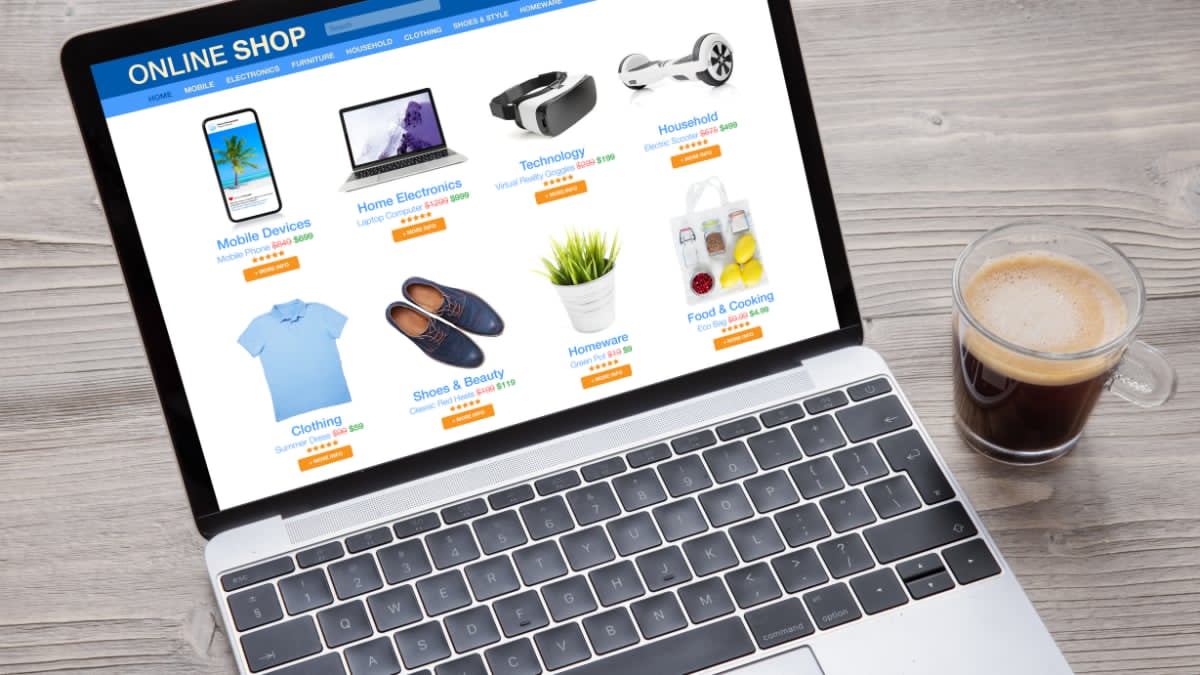
Online shopping can feel like a treasure hunt. One minute you are comparing products, and the next you find a deal that looks impossible to ignore. The challenge is knowing which offers are genuine and which ones could lead to disappointment.
Today, online shopping continues to grow across the United States. According to the U.S. Census Bureau, retail e-commerce sales reached approximately $300.2 billion during the first quarter of 2025, showing how heavily consumers rely on digital purchases.
With so many products, sellers, and promotions available, making smart buying decisions matters more than ever. Good research can help you save money, avoid scams, and choose products that match your needs. The online shopping tips below are based on consumer best practices, product research methods, and real-world shopping experiences.
Online Shopping Tips: Research Products Before You Buy
One of the most valuable online shopping tips is simple: spend a few extra minutes researching before clicking the checkout button.
Start by reviewing product specifications, features, compatibility requirements, and warranty details. Focus on the features that directly affect your daily use. Extra features can be attractive, but they may not provide enough value to justify a higher price.
For example, when shopping for smartphones, compare:
| Feature | Why It Matters |
| Battery life | Longer usage between charges |
| Storage capacity | More room for apps and photos |
| Camera quality | Better photo and video performance |
| Software support | Longer device lifespan |
A product page alone rarely tells the full story. Dig deeper before making a final decision.
Gather Information from Multiple Sources
Many shoppers make the mistake of relying on a single website.
A better approach is to compare information from several trusted sources:
- Official manufacturer websites
- Professional review websites
- Consumer review platforms
- Retailer product pages
- Video reviews from reputable creators
During a recent laptop purchase evaluation, one retailer highlighted battery performance as a major selling point. Independent reviews, however, showed significantly lower battery life during real-world testing. Comparing multiple sources revealed a more accurate picture and prevented a poor purchase decision.
This method works particularly well for expensive electronics and home appliances.
Understand Product Categories and Typical Price Ranges
Knowing normal price ranges helps you identify genuine bargains and questionable deals.
Here are common price ranges for popular electronics:
| Product Category | Typical Price Range |
| Smartphones | $100–$1,500 |
| Laptops | $300–$5,000+ |
| TVs | $200–$5,000+ |
For example, current U.S. pricing on official websites includes:
| Product | Official Starting Price |
| Apple iPhone 16 | From $799 |
| Samsung Galaxy S25 | From $799 |
| Dell XPS 13 Laptop | From approximately $999 |
Prices may change throughout the year, especially during major promotional periods.
Understanding market pricing helps you spot fake discounts and unrealistic offers.
Use Price Comparison Shopping Tools
Price comparison shopping remains one of the easiest ways to reduce spending.
The exact same product can have noticeably different prices across retailers. Before purchasing, compare at least three major stores.
Helpful tools include:
- Google Shopping
- CamelCamelCamel
- Honey
- Price.com
Many shoppers discover savings simply by checking alternative sellers. Spending five minutes comparing prices can lead to meaningful savings, especially on electronics and household products.
Track Prices Before Major Purchases
If your purchase is not urgent, price tracking tools can help.
These tools monitor price changes and notify you when products drop below your target price.
Benefits include:
- Eliminating daily price checks
- Identifying seasonal discounts
- Showing pricing history
- Helping avoid impulse purchases
This strategy works particularly well for laptops, gaming consoles, televisions, and premium smartphones.
Account for Hidden Costs
A low advertised price does not always mean a lower final cost.
Before completing your purchase, calculate:
- Shipping fees
- Sales taxes
- Import charges, if applicable
- Extended warranty costs
- Installation fees
A retailer offering a slightly higher product price with free shipping may provide better overall value.
Always review the final checkout total before submitting payment.
Read Reviews Carefully and Verify Their Credibility
Customer reviews often reveal details unavailable in product specifications.
Strong reviews usually include:
- Specific product experiences
- Photos or videos
- Long-term usage feedback
- Balanced pros and cons
Look closely for recurring complaints. If many buyers report the same issue, there is usually a legitimate concern.
Research has shown that fake reviews remain a challenge across many online platforms, making careful review analysis increasingly important.
A Different Perspective
Some shoppers trust professional reviewers more than customer reviews. Others prefer large volumes of customer feedback because it reflects broader user experiences.
The best approach combines both perspectives.
Check Seller Reputation Before Ordering
One of the most important online shopping safety tips involves evaluating the seller.
Before purchasing, check:
- Seller ratings
- Review volume
- Complaint history
- Customer service responsiveness
- Account age
A seller with thousands of positive reviews generally presents less risk than a newly created account with minimal history.
Counterfeit products often appear through poorly rated or newly established sellers.
Review Return Policies Carefully
Even well-researched purchases sometimes miss expectations.
Before ordering, verify:
| Return Policy Factor | What to Check |
| Return window | 30 days or longer |
| Return shipping | Free or customer-paid |
| Restocking fees | Additional charges |
| Product condition | Original packaging requirements |
Flexible return policies provide peace of mind and reduce purchasing risk.
Choose Secure Online Payment Methods
Secure online payment methods provide an extra layer of protection.
Recommended payment options include:
- Credit cards
- PayPal
- Apple Pay
- Google Pay
- Other established digital wallets
Many credit cards include fraud protection and dispute resolution benefits.
The Federal Trade Commission reported that consumers lost more than $12.5 billion to fraud in 2024, highlighting the importance of using protected payment methods whenever possible.
Avoid direct wire transfers or unfamiliar payment systems when dealing with unknown sellers.
Take Advantage of Major Sales Events
Timing can significantly affect pricing.
Popular sales periods include:
- Black Friday
- Cyber Monday
- Memorial Day sales
- Labor Day sales
- End-of-season clearance events
Discounts often range from 15% to 70% depending on the product category.
Planning purchases around these events can help maximize savings while reducing impulse spending.
Watch Out for Prices That Look Too Good
A massive discount can sometimes signal trouble.
Warning signs include:
- Prices dramatically below market averages
- Poor-quality product photos
- Missing contact information
- Limited seller histor
- Unusual payment requests
If a product costs far less than comparable listings, investigate carefully before purchasing.
A small amount of caution can prevent significant frustration later.
Follow a Simple Online Shopping Checklist
Before clicking “Place Order,” run through this checklist:
| Verification Step | Completed |
| Compared prices across three retailers | ✓ |
| Checked multiple review sources | ✓ |
| Confirmed warranty coverage | ✓ |
| Reviewed return policy | ✓ |
| Verified seller reputation | ✓ |
| Calculated final cost | ✓ |
| Chose a secure payment method | ✓ |
| Confirmed product specifications | ✓ |
This process takes only a few minutes and can prevent costly mistakes.
Conclusion
Smart online shopping comes down to preparation. Research products carefully, compare prices, verify reviews, and buy from reputable sellers. Small steps like checking return policies and using secure payment methods can make a big difference.
The goal is not to find the lowest price every time. The goal is to find the best value while protecting your money and avoiding unnecessary headaches.
As online shopping continues to grow, these practical strategies can help you make better purchasing decisions with confidence. Start using these online shopping tips on your next purchase and see how much easier your shopping experience becomes.