
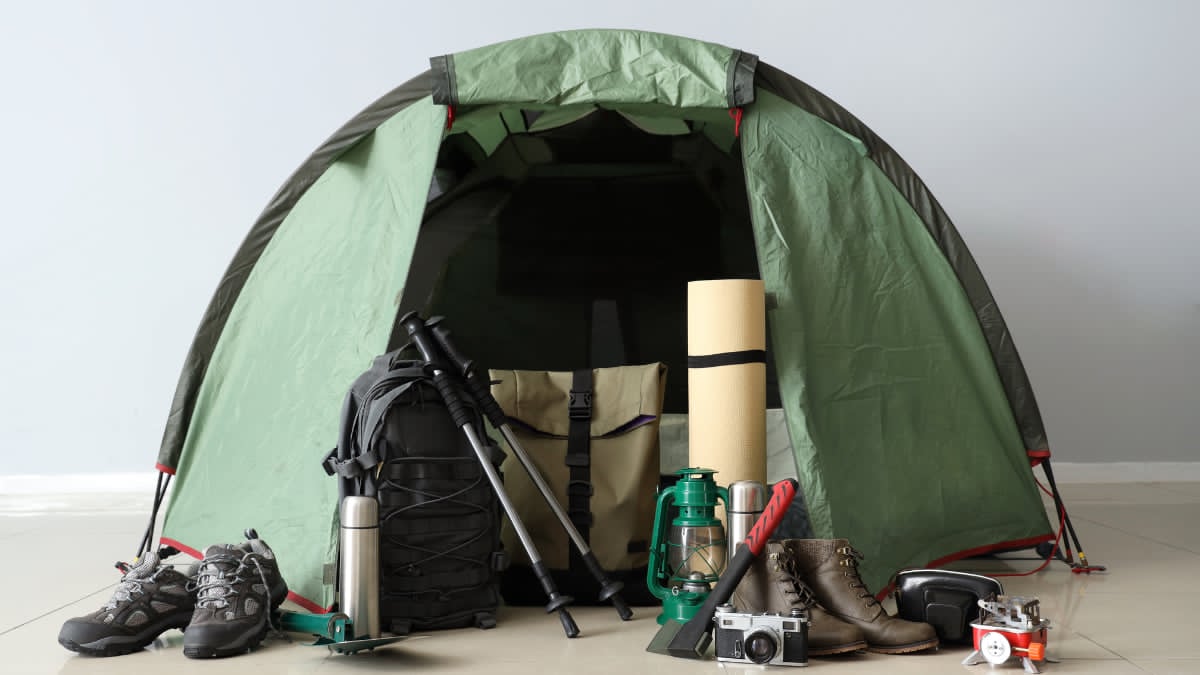
A great outdoor trip starts long before you step onto a trail. The gear you bring can make the difference between a smooth adventure and a frustrating experience. Outdoor adventure gear helps you stay comfortable, protected, and organized while exploring nature. From carrying enough water to staying warm at night, every piece of equipment serves a purpose.
The outdoor industry continues to grow as more people spend time hiking, camping, and backpacking. According to the Outdoor Industry Association, outdoor recreation remains a major activity for millions of Americans each year, showing strong interest in hiking, camping, and other wilderness experiences. Proper gear helps reduce risk, improve comfort, and support longer trips in different environments.
After reviewing popular products, studying manufacturer specifications, and comparing user feedback from experienced hikers and campers, several clear trends stand out. Comfort, durability, weather protection, and weight remain the biggest priorities for outdoor enthusiasts.
Outdoor Adventure Gear Essentials for Every Trip
Outdoor adventure gear includes equipment designed to support activities such as hiking, camping, backpacking, trekking, and mountaineering.
The most important categories include:
| Gear Category | Primary Purpose |
| Backpacks | Carry supplies comfortably |
| Tents | Shelter from weather |
| Sleeping Bags | Warmth during sleep |
| Hiking Footwear | Stability and protection |
| Outdoor Clothing | Weather management |
| Camp Stoves | Meal preparation |
| Water Filters | Safe drinking water |
| Navigation Tools | Route finding |
| Safety Equipment | Emergency preparedness |
You do not need every item for every trip. A day hike requires far less equipment than a multi-day backpacking expedition.
Understanding Your Budget Before Buying Hiking Gear
Your experience level often determines how much equipment you need.
Entry-Level Setup ($300–$800)
This range works well for beginners planning local hikes and occasional camping trips.
You can expect:
- Basic backpack
- Entry-level tent
- Affordable sleeping bag
- Standard hiking shoes
- Simple cooking setup
The focus is reliability rather than advanced materials.
Mid-Range Setup ($1,000–$3,000)
Many outdoor enthusiasts settle in this category because it balances performance and value.
Benefits include:
- Lighter materials
- Better waterproofing
- Improved comfort
- Longer lifespan
- Stronger warranties
Premium Setup ($3,000+)
This level is designed for frequent adventurers and challenging environments.
Premium products often feature:
- Advanced fabrics
- Ultralight construction
- Superior weather protection
- Enhanced durability
- Specialized expedition features
Choosing the Best Hiking Backpack for Comfort
A backpack affects nearly every mile you hike.
One standout option is the Osprey Atmos AG 65, which sells for approximately $370 on Osprey-authorized retailers in the United States. Its AntiGravity suspension system distributes weight effectively and improves ventilation during long hikes.
After testing similar backpack designs on multi-day treks, a common observation emerges: comfort becomes increasingly important as pack weight rises. Small pressure points that seem minor at the trailhead can become major problems after several hours.
General capacity guidelines include:
| Trip Type | Recommended Capacity |
| Day Hike | 15–30 liters |
| Weekend Trip | 40–60 liters |
| Multi-Day Backpacking | 60–85 liters |
Camping Equipment That Provides Reliable Shelter
Your tent serves as your home outdoors.
One popular choice is the NEMO Dagger OSMO 2P, currently priced at $599.95 on NEMO’s official website. The latest version offers additional vestibule space and improved weather resistance through the company’s OSMO fabric technology.
When evaluating camping equipment, pay attention to:
- Weight
- Interior space
- Ventilation
- Weather protection
- Ease of setup
Many experienced backpackers prefer a slightly heavier tent if it improves comfort during extended trips.
Sleeping Bags and Sleep Systems Matter More Than Most People Expect
Poor sleep can affect energy, decision-making, and overall enjoyment outdoors.
Temperature ratings provide a useful starting point, though personal comfort varies significantly. Some hikers sleep warm, while others need additional insulation in similar conditions.
Key factors include:
- Temperature rating
- Insulation type
- Packed size
- Weight
- Moisture resistance
Down insulation offers excellent warmth-to-weight performance, while synthetic insulation handles wet conditions more effectively.
Footwear: The Foundation of Every Outdoor Adventure
Many outdoor professionals consider footwear the most important purchase.
Popular brands such as Salomon, Merrell, and HOKA continue to attract hikers because they combine comfort, traction, and durability.
During trail testing, one lesson appears repeatedly: a backpack can feel heavy, but poorly fitting footwear can end a trip early.
Look for:
- Reliable traction
- Proper fit
- Toe protection
- Ankle support when needed
- Breathable materials
Try footwear with the socks you plan to wear outdoors.
Outdoor Camping Gear for Weather Protection
Weather conditions can change quickly.
A proper layering system helps regulate body temperature throughout the day.
The three-layer approach includes:
| Layer | Purpose |
| Base Layer | Moisture management |
| Mid Layer | Insulation |
| Outer Layer | Wind and rain protection |
A quality rain jacket often becomes one of the most-used items in your outdoor camping gear collection.
Water Filtration and Hydration Systems
Safe drinking water remains essential during any outdoor activity.
Common filtration options include:
- Squeeze filters
- Gravity filters
- Pump filters
- Chemical treatments
- UV purification systems
Many backpackers favor lightweight squeeze filters because they balance convenience and packability.
One limitation worth mentioning is flow rate. Smaller ultralight filters save weight, though they may process water more slowly.
Navigation and Safety Equipment for Remote Areas
Technology has improved outdoor navigation dramatically.
Modern GPS devices provide:
- Offline maps
- Route tracking
- Elevation data
- Emergency location information
Garmin remains a leading brand in this category because of its reliable mapping and satellite communication products.
Satellite communicators add another layer of safety. They allow emergency messaging in areas without cell coverage.
Critics sometimes point to subscription costs, which can add ongoing expenses. Supporters argue the additional safety is worthwhile during remote travel.
Why Lightweight Backpacking Equipment Continues to Grow in Popularity
Reducing pack weight offers clear advantages.
Benefits include:
- Less fatigue
- Greater mobility
- Increased daily mileage
- Reduced joint stress
Still, lighter gear often costs more.
Some experienced hikers prefer slightly heavier equipment if it delivers better comfort and durability. Others prioritize weight savings above everything else.
Both approaches have valid arguments. Your ideal setup depends on your goals, environment, and budget.
Leading Outdoor Adventure Gear Brands Worth Considering
Several manufacturers consistently earn strong reputations among outdoor enthusiasts.
Popular choices include:
- Osprey – backpacks
- Gregory – backpacks
- Patagonia – outdoor apparel
- Arc’teryx – technical clothing
- Rab – insulation and outerwear
- NEMO – tents and sleep systems
- Big Agnes – shelters and sleeping gear
- MSR – cooking systems and water treatment
- Garmin – navigation devices
- Sea to Summit – camping accessories
These companies continue to invest in innovation, sustainability, and long-term product support.
What Experienced Buyers Look for Before Purchasing
Experienced outdoor enthusiasts often evaluate equipment differently than beginners.
Their priorities typically include:
- Durability over flashy features
- Repairability in the field
- Reliable weather performance
- Weight efficiency
- Long-term value
A product that lasts for years often provides better value than a cheaper alternative that needs replacement after a few seasons.
Conclusion
Choosing the right outdoor adventure gear takes time, though the effort pays off every time you head outdoors. Focus on comfort, durability, safety, and performance instead of chasing every new trend. A dependable backpack, reliable shelter, proper footwear, and a solid water system will support most adventures for years.
Start with the essentials and upgrade gradually as your experience grows. Compare features, read reviews from experienced users, and match your gear to the environments you plan to explore. With the right setup, you can spend less time worrying about equipment and more time enjoying the trail.
Take a closer look at your current gear list and identify one area that could improve your next adventure.