
Cold-weather hiking puts constant stress on your feet. Low temperatures, moisture, and long miles can turn even a well-planned trip into an uncomfortable experience if your socks fall short. That’s why winter hikers often say socks matter more than expected.
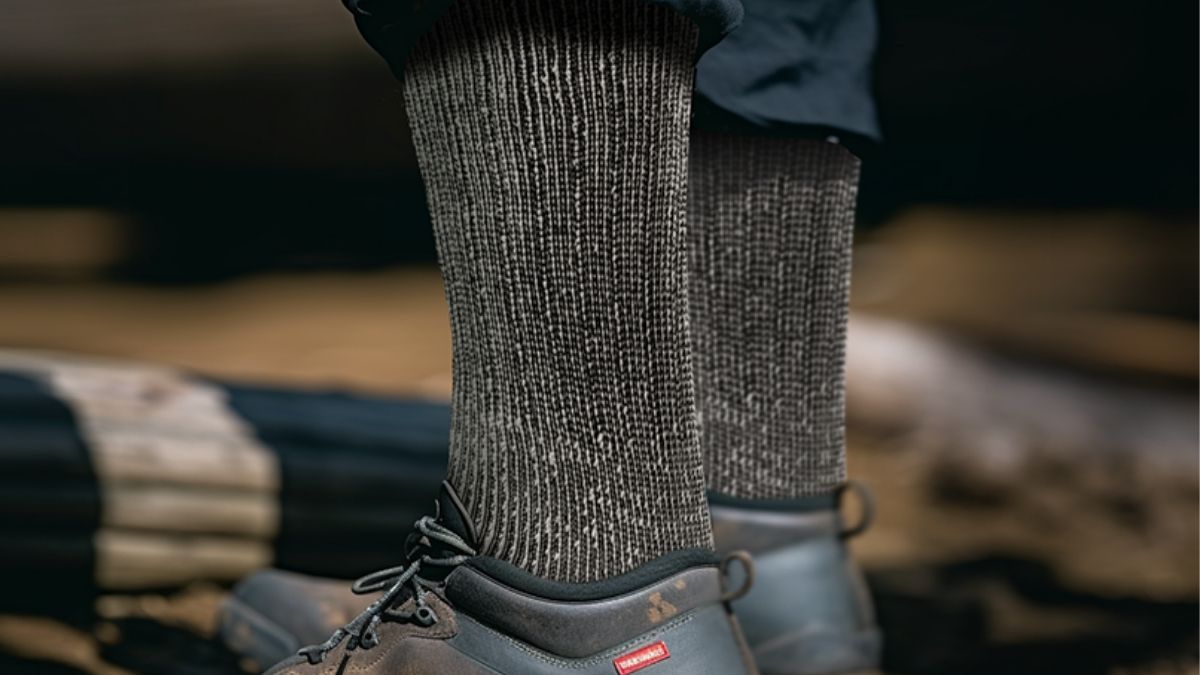
Alvada Merino Wool Hiking Socks are designed for these conditions. Instead of focusing on flashy features, they prioritize warmth, moisture control, and durability—three factors that directly affect how long you can stay comfortable on the trail.
What Sets Alvada Merino Wool Hiking Socks Apart
At the core of these socks is their material blend. With a high percentage of merino wool supported by synthetic fibers, the design balances natural insulation with long-term wear resistance.
Key construction highlights include:
- Merino wool–dominant blend for warmth and breathability
- Crew-length profile that pairs cleanly with hiking boots
- Three-pair pack that improves long-term value
- Unisex sizing options that cover a wide range of foot shapes
- Machine-washable care for easy maintenance
This combination targets hikers who want dependable performance without specialty care requirements.
Thermal Performance in Cold and Variable Conditions
Merino wool is widely used in winter gear because it manages temperature more effectively than most synthetics. These socks rely on that natural advantage by trapping warm air while still allowing excess heat to escape.
In practice, this means:
- Feet stay warm in freezing conditions without feeling stifled
- Insulation remains effective even when the socks are slightly damp
- Temperature feels more stable during changing activity levels
That balance is important on winter trails, where overheating during climbs and chilling during breaks can happen quickly.
Moisture Control and Blister Prevention
Sweat management matters just as much as warmth. Damp skin increases friction, which raises the risk of blisters during long hikes.
Alvada’s merino wool fibers help pull moisture away from the skin, supporting a drier environment inside your boots. This moisture control works together with the sock’s fit and cushioning to reduce hot spots.
Additional moisture-related benefits include:
- Reduced odor buildup due to wool’s natural antibacterial properties
- More consistent comfort during multi-hour wear
- Less need for frequent sock changes on cold days
For winter hikers, this can make the difference between finishing strong or cutting a trip short.
Comfort Features That Show Their Value Over Distance
Comfort issues tend to grow over miles. Seams, pressure points, or poor padding become more noticeable the longer you’re on your feet.
These socks address that through:
- Targeted cushioning in high-impact zones
- Seamless toe construction to minimize friction
- Light compression areas that support the arch without restricting circulation
The overall feel is supportive rather than bulky, which helps maintain proper boot fit and foot control on uneven terrain.
Durability and Long-Term Wear
Winter hiking socks face repeated stress from boot friction, rough terrain, and frequent washing. Alvada reinforces common failure areas like the heel and toe to extend lifespan.
From a practical standpoint, durability shows up in:
- Socks retaining their shape after multiple washes
- Elastic staying firm instead of sagging over time
- Fabric resisting thinning in high-wear zones
Compared to pure wool socks, the blended construction tends to hold up better for frequent hikers.
Fit, Sizing, and Practical Considerations
The socks are designed to fit snugly at first. Over time, the fabric adapts to your foot shape, which improves stability and comfort. If you prefer a looser fit or have wider feet, sizing up can help.
The crew height offers:
- Protection against boot collar friction
- Better insulation around the lower leg
- Reduced debris entry on rough trails
This design suits hiking boots, winter footwear, and even everyday cold-weather use.
When These Socks Make Sense—and When They Don’t
From one perspective, these socks are ideal for fall and winter hiking, snowshoeing, and cold outdoor work. They’re also practical for daily wear in colder climates.
From another angle, they may feel too warm for summer hikes or hot environments. If you primarily hike in warm weather, a lighter sock would be more appropriate.
Understanding that limitation helps set realistic expectations and ensures the socks are used where they perform best.
A Reliable Choice for Cold-Weather Trails
Alvada Merino Wool Hiking Socks focus on the fundamentals that matter most in winter conditions: warmth, moisture control, comfort, and durability. They don’t promise shortcuts, but they do support longer, more comfortable days on the trail when temperatures drop.
They are Available on Amazon and are part of Amazon New Best Sellers in the Outdoor Recreation / Hiking Socks category. You can explore more products within this category to compare winter-ready options and build a cold-weather hiking setup that fits your needs.