

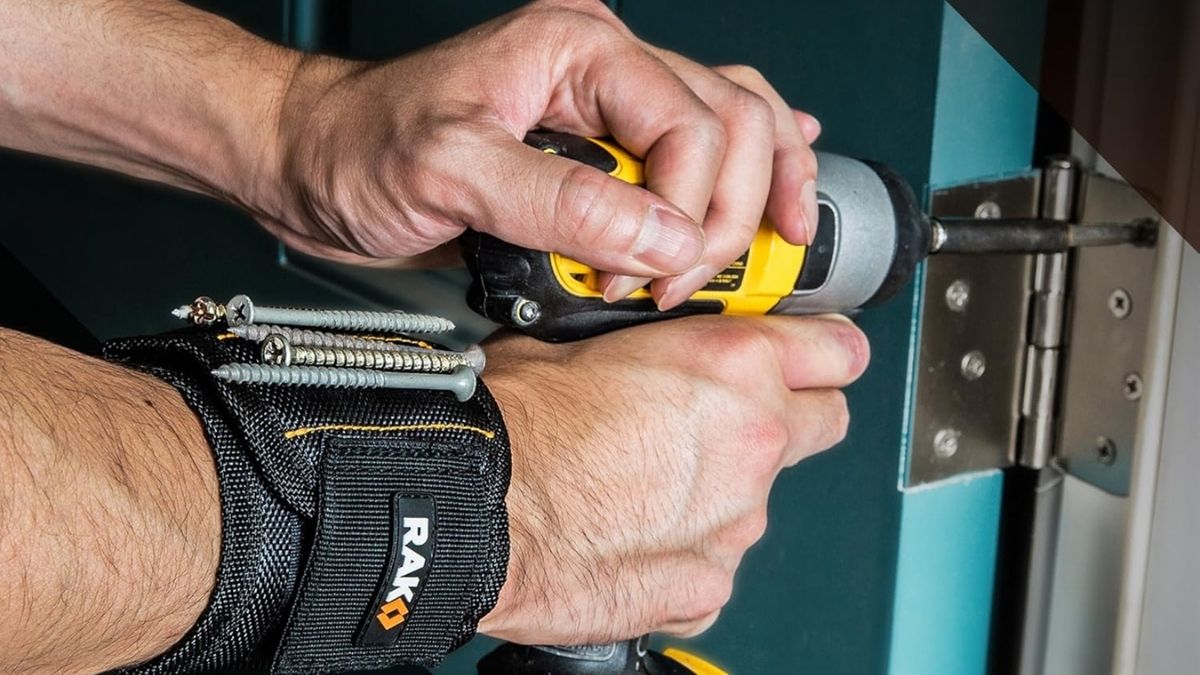
You know the moment: you’re halfway up a ladder, drill in one hand, bracket in the other, and the tiny screws you just had have vanished. You can’t set them down safely, you don’t want them in your mouth (seriously), and your pockets turn into a black hole.
That’s where a magnetic wristband earns its keep, and the RAK Magnetic Wristband is one of the most popular options because it’s built for real DIY work, not novelty use.
At its core, you’re getting a wearable “third hand” for small metal parts. The wristband is designed to hold screws, nails, bolts, washers, and drill bits right where you need them, so you stay focused on the task instead of hunting for hardware.
Why You’ll Love It (Your Efficiency Perspective)
If you care about finishing projects with less friction, this is where the wristband shines. You’re not suddenly racing through jobs—but you are eliminating the constant interruptions that slow you down.
Here’s what changes when you wear it:
● You preload fasteners before climbing a ladder
● You stop bending down every time something slips
● You keep screws and bits visible instead of buried in pockets
● You maintain momentum during repetitive tasks
This matters most when you’re installing multiple items in a row, like hooks, brackets, shelves, or cabinet hardware.
Why You Might Be Skeptical (And That’s Fair)
Not everyone loves wearable gear. If you already rely on a tool belt or magnetic tray, a wristband might sound unnecessary.
Common concerns include:
● “I don’t like wearing things on my wrist.”
● “Magnets won’t hold everything I use.”
● “My pockets already work fine.”
Those points aren’t wrong. Comfort depends on fit, and magnets only work with magnetic metals. Still, many DIYers find that once they try a wristband during ladder work or tight-space installs, it earns a permanent spot in their toolkit.
What You’re Actually Getting With the RAK Magnetic Wristband
The design focuses on a few core elements that matter in daily use:
● Multiple embedded magnets spread across the band so hardware doesn’t clump into one spot
● Durable nylon construction built to handle workshop wear and tear
● Adjustable strap system that helps keep the band snug and prevents spinning
In practical terms, it’s meant to feel like a tool accessory—not a gadget you use once and forget.
Best Use Cases (Where You’ll Notice It Immediately)
You’ll get the most value when you’re working with small metal hardware and moving around a lot.
It’s especially useful for:
● Hanging shelves, TVs, and curtain rods
● Installing door hardware and cabinet hinges
● Furniture assembly with lots of identical screws
● Light carpentry and woodworking projects
● Automotive or bike repairs where dropped bolts are a pain
For ladder work, the benefit is obvious: fewer trips up and down, less balancing hardware in one hand, and fewer dropped screws.
The Limits (So Expectations Stay Realistic)
A magnetic wristband is helpful—but it’s not a replacement for every storage solution.
Be aware of these limits:
● Non-magnetic materials won’t stick well
● It’s best for small parts, not heavy tools
● Metal shavings can cling if you’re grinding or drilling metal
If you want a full carry system, a belt or pouch still makes sense. If you want fewer interruptions and less frustration, the wristband does its job well.
Why It’s a Strong Gift Choice (The Practical Gift Perspective)
If you’re shopping for someone who’s hard to buy for, this checks a lot of boxes:
● Useful across many projects
● No sizing or style guesswork
● Easy to understand immediately
● Likely to be used often
Instead of another mug or novelty item, you’re giving something that actually improves how projects get done.
Want fewer dropped screws and smoother DIY projects? Pick up the RAK Magnetic Wristband and keep your hardware right where you need it.