

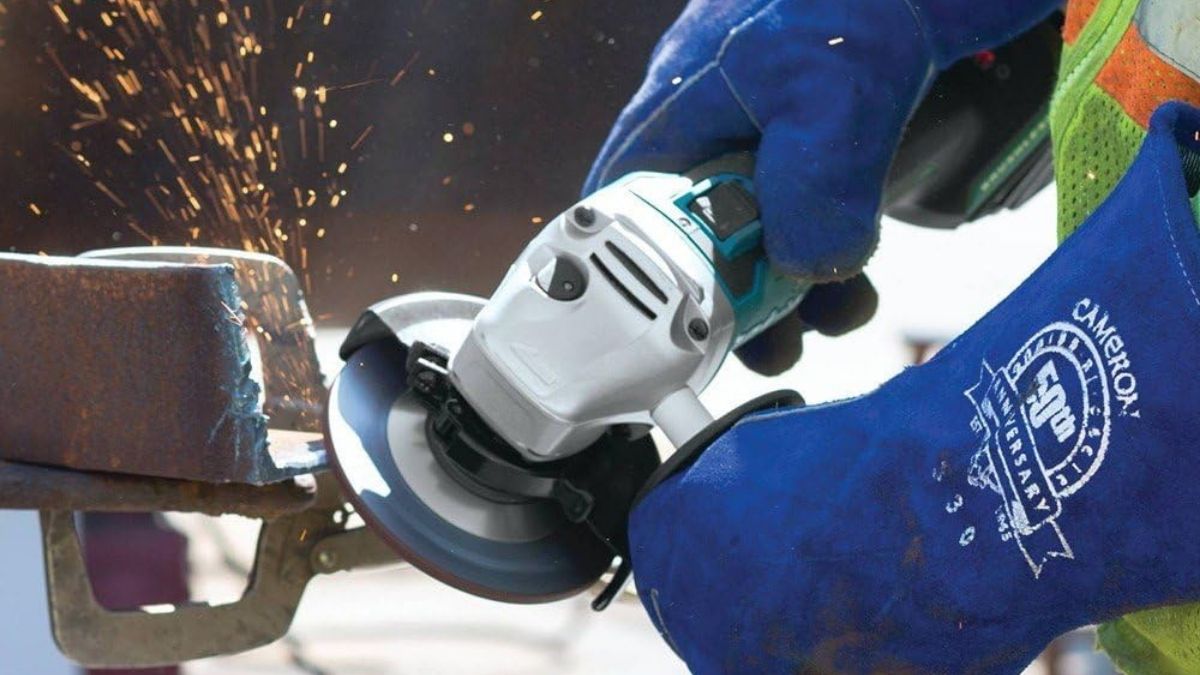
When it comes to grinding stainless steel, not all wheels are created equal. Some wear down so quickly that you spend more time swapping them out than actually working.
Others struggle with heat buildup, leaving you with burn marks on the material or wheels that glaze over before the job is even halfway done. And then there are those that simply deliver inconsistent results—cutting well for the first few passes but losing efficiency almost immediately after.
Stainless steel is tough, and it demands a wheel that can keep up with its unique challenges. That’s where the Makita A-95984 36 Grit INOX Grinding Wheel comes in. Designed specifically with stainless applications in mind, this wheel demonstrates its purpose-built engineering not just on paper but in the way it performs under real-world conditions.
Technical Specifications That Matter
At 4-1/2 inches in diameter and 1/4 inch thick, this Type 27 depressed-center wheel is engineered for balance—large enough to cover material quickly, but compact enough to maintain control. The standard 5/8-11 threaded arbor means it fits most common angle grinders without a fuss.
Its 36-grit white aluminum oxide abrasive is where the wheel earns its edge. This coarse grit is aggressive, designed for heavy material removal rather than fine finishing. Combined with its “N” hardness rating, it hits the sweet spot for stainless steel: tough enough to last, but not so hard that it glazes over.
Makita also rated it at a maximum of 13,300 RPM, reinforcing both durability and safety. As long as you stick to grinders within that range, you’ll be operating within the intended limits.
Why INOX Makes a Difference
“INOX” isn’t just a marketing label—it signals that the wheel is built specifically for stainless steel. Stainless can be a tricky material to grind because of its hardness and tendency to overheat. Standard wheels often glaze, wear unevenly, or break down too quickly under that stress.
Makita’s INOX formulation manages heat better while resisting premature breakdown. In practice, that means smoother grinding, less downtime, and fewer wheel replacements. You can run longer, get cleaner cuts, and spend less time fighting with overheating metal.
Real-World Performance
The wheel excels in weld removal and edge preparation. If you’ve ever had to clean up after a weld on stainless, you’ll appreciate how quickly it removes excess material without bogging down.
Durability is another standout. While generic wheels might wear out after a few intense sessions, the A-95984 maintains cutting performance across multiple projects. Fabricators often highlight how consistent it stays over its lifespan—no sudden drop-off in efficiency.
Noise and vibration are also reduced compared to standard wheels, which translates to less fatigue during longer jobs. When you’re handling multiple passes on stainless steel tanks or railing, that difference becomes noticeable.
Best Practices for Using the A-95984
Like most tools, results depend on technique. Here are a few tips that make a real difference:
- Angle it right: Stick to a 15–30 degree angle for most grinding tasks.
- Use steady pressure: Forcing the wheel only generates unnecessary heat.
- Check wear patterns: Replace when diameter loss or uneven wear appears.
- Pair with the right grinder: Variable speed models running around 9,000–11,000 RPM often hit the performance sweet spot.
And of course, safety gear isn’t optional—eye protection, gloves, and hearing protection are musts when using a wheel this aggressive.
Limitations to Keep in Mind
The coarse grit makes it great for stock removal but less suited for fine finishing. If you’re after a polished look, you’ll need to follow up with finer abrasives.
Extended sessions can also heat stainless steel quickly, so pacing your work and letting both the material and wheel cool will prevent damage.
Finally, while the Makita wheel carries a higher price tag than generic brands, its lifespan and consistency often make it a better investment in the long run.
Expert Tips for Longevity
- Store wheels flat in a cool, dry place.
- Alternate grinding sections on large surfaces to spread wear evenly.
- Use sectional grinding on heavy-duty jobs instead of continuous pressure.
These small adjustments extend both wheel and grinder life while improving your results.
Overall Impression
The Makita A-95984 36 Grit INOX Grinding Wheel isn’t an all-purpose solution—it’s a specialist designed for stainless steel, and it performs that job extremely well. It removes material aggressively, manages heat better than generic options, and lasts long enough to justify its cost.
If you regularly work with stainless—whether that’s in fabrication, welding, or DIY projects—this wheel makes a noticeable difference in efficiency and results.
This review is part of Amazon’s amazonhaul. Be sure to check out other stainless steel grinding and fabrication tools available under the same category—you might find the perfect companion piece for your next project.