

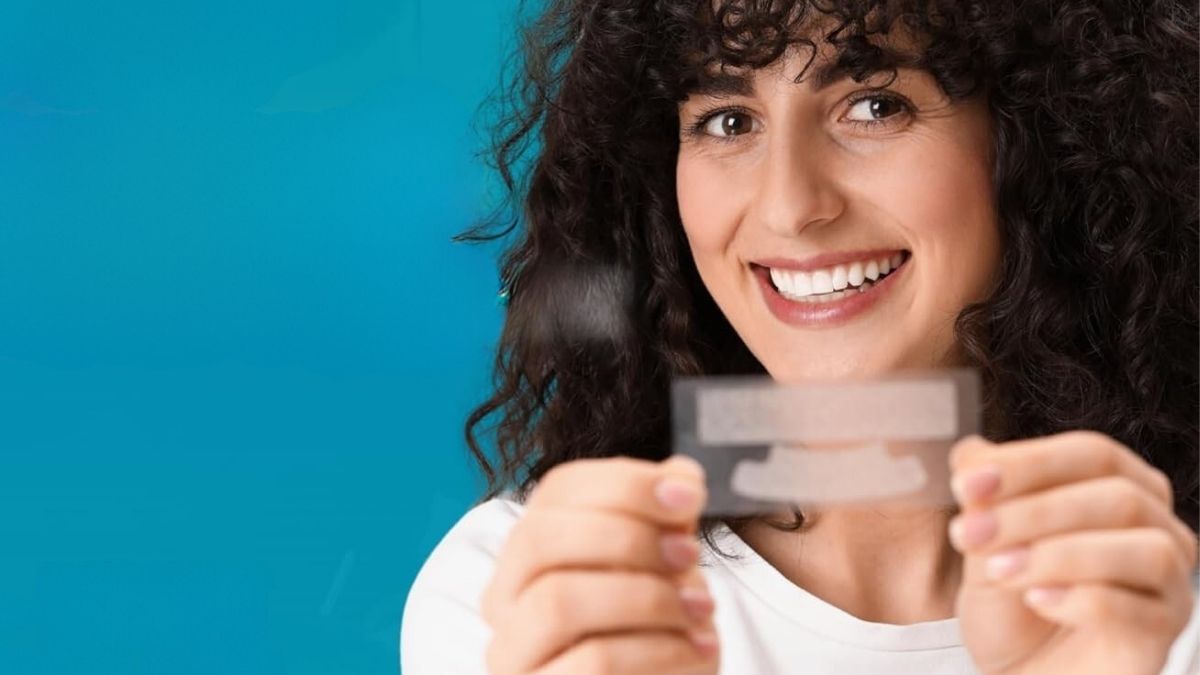
I’ve experimented with countless teeth whitening products, and whitening strips remain one of the easiest options for at-home use.
What surprised me most while researching is how many people—nearly 70%—stop using peroxide-based strips due to tooth sensitivity. That’s where newer formulations, featuring ingredients like PAP and hydroxyapatite, have started to change the game.
If you’re thinking about trying whitening strips, it helps to understand how they work, what’s inside them, and how to get the most out of each application.
How Whitening Strips Actually Work
Whitening strips are thin, flexible pieces that stick directly onto your teeth, holding active ingredients in place. The science is fairly straightforward: these ingredients penetrate enamel and break down stain-causing molecules, making teeth look lighter.
Traditional strips often relied on hydrogen peroxide, which was effective but harsh. Modern versions swap in gentler alternatives that still deliver noticeable results. Most strips are worn for 10–30 minutes and can keep your smile brighter for three to six months before you need touch-ups.
Key Ingredients You Should Know
PAP has become a popular non-peroxide option. It oxidizes stains like peroxide but with fewer free radicals, making it less damaging to enamel. Users with sensitivity often find PAP-based products more comfortable.
Hydroxyapatite
This mineral naturally makes up most of your enamel. In whitening strips, it helps remineralize teeth, fill tiny imperfections, and strengthen enamel while reducing sensitivity.
Other Supporting Additions
- Potassium citrate: helps calm sensitivity.
- Glycerin & polymers: improve adhesion so strips stay in place.
- Flavoring agents: make the process less clinical and more tolerable.
Do Whitening Strips Really Work?
Compared to whitening toothpaste, strips perform far better because they sit on teeth for longer, giving active ingredients time to work. In terms of results, they strike a balance between whitening pens (less coverage) and expensive professional treatments (more dramatic but costly).
Strips that combine PAP and hydroxyapatite often show visible results in just a few uses. They may not produce the Hollywood-level brightness that peroxide can, but they’re gentler and more sustainable for long-term use.
Benefits of Peroxide-Free Whitening
For people with sensitive teeth, peroxide-free strips are a relief. Clinical studies report little to no sensitivity with PAP-based products during normal use. The flexible, thinner strip design also makes them more comfortable to wear.
These newer options are ideal for regular touch-ups and maintenance, allowing you to keep your teeth bright without the “zing” of peroxide sensitivity.
Things to Keep in Mind
- Results vary: PAP strips may not whiten as dramatically as professional treatments.
- Maintenance required: Effects can fade faster, meaning you may need touch-ups more often.
- Dental work limits: Crowns, fillings, and veneers won’t change color.
- Research is ongoing: PAP is newer than peroxide, so long-term studies are still developing.
How to Use Whitening Strips Correctly
- Brush teeth about 30 minutes before applying (avoid immediate use to prevent gum irritation).
- Dry teeth for better adhesion.
- Place the strip carefully along the gumline, avoiding overlap onto gums.
- Wear for the recommended time (usually 10–30 minutes).
- Remove and rinse thoroughly.
- Avoid staining foods and drinks (coffee, wine, berries) for 24 hours afterward.
Tips for Long-Lasting Results
- Use whitening toothpaste between strip sessions.
- Limit frequent staining foods and drinks—or rinse after consuming them.
- Keep up with professional dental cleanings.
- Schedule regular touch-ups every month or two for maintenance.
Smart Shopping for Whitening Strips
When buying, check the ingredient list for PAP and hydroxyapatite if sensitivity is a concern. Compare not just the price but the cost per treatment to understand real value. Also, watch out for counterfeits, especially if the price seems unusually low. At just $1.00 (or $0.07 per strip), the set I tried was one of the most affordable—but authenticity is worth verifying.
The Bottom Line
Whitening strips have come a long way from the harsh peroxide formulas of the past. PAP and hydroxyapatite strips now offer gentler, enamel-strengthening whitening at a fraction of the cost of professional treatments. They may not produce ultra-dramatic results, but for everyday maintenance and comfort, they’re an excellent option.
This product is part of Amazon’s amazonhaul, and if you’re already refreshing your dental care routine, it’s worth checking out other oral care essentials in the same category.