

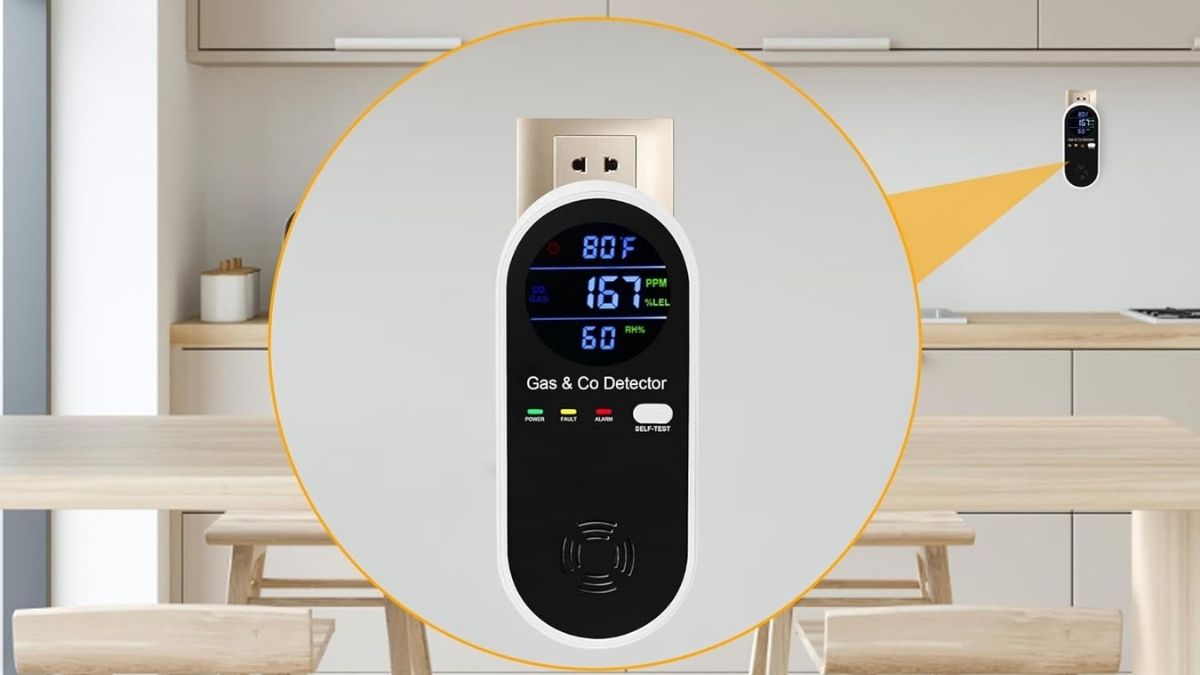
Carbon monoxide and combustible gas leaks can build up without warning. You cannot see them, and you often cannot smell them. That is why a combination gas and carbon monoxide detector matters. It gives you early alerts and helps you act before levels become dangerous.
This guide shows you what to look for, how to place a detector, and how to understand common readings. You will also learn what makes the KOABBIT 4-in-1 detector different from basic alarm-only models.
What You’re Protecting Yourself From
Carbon monoxide (CO) is created when fuel does not burn completely. Common sources include furnaces, stoves, fireplaces, generators, and water heaters. CO can affect you quickly, especially in enclosed spaces. Early symptoms can feel like fatigue or a mild illness, so people often ignore the signs.
Combustible gas leaks add a different risk. Natural gas, methane, and propane can collect indoors. At certain concentrations, ignition can cause fires or explosions. Even before that point, exposure can irritate your eyes and airways.
Why a Combination Detector Is Worth It
A single-purpose alarm covers only one hazard. A combination unit helps you cover more risks with fewer devices. That can also make your setup simpler, especially if you want protection in multiple rooms.
A good combination detector should give you:
- Clear alerts that you can hear and understand
- Reliable sensors for both CO and combustible gases
- A display or indicators that help you assess the situation fast
- A power setup that fits your space and routine
Features You Should Prioritize
Modern detectors vary a lot. Some only trigger an alarm at a threshold. Others show live readings that help you respond earlier.
Here are the features you should focus on:
- Dedicated sensors: Separate sensing for CO and combustible gases improves accuracy.
- Real-time display: You can see rising levels instead of waiting for a full alarm.
- Distinct alarm patterns: You should be able to tell CO from gas leak alerts.
- Stable power: Plug-in units reduce battery upkeep, but placement depends on outlets.
- Recognized certifications: Look for testing and compliance marks where available in your region.
What the KOABBIT 4-in-1 Detector Adds
The KOABBIT 4-in-1 is designed to give you more than a basic alarm. It monitors multiple environmental factors and shows them on a digital screen.
It tracks:
- Carbon monoxide: 0–2000 ppm
- Combustible gases: 0–10% LEL (covers common household gases such as methane and propane)
- Temperature: 1–176°F
- Humidity: 0–99% RH
You also get an 85 dB alarm, which is intended to be loud enough to alert you across typical living spaces. The plug-in format keeps power consistent without routine battery replacement.
Where You Should Place Your Detectors
Placement is what turns a detector into real protection. You want coverage where risks are highest and where alerts will reach you.
Focus on these areas:
- Near sleeping areas, so you can hear alarms at night
- Near fuel-burning appliances, such as kitchens and furnace rooms
- Near attached garages or doorways leading into them
- On each level of your home, at minimum
Height basics you should follow
Gas behavior affects placement, especially for leak detection.
- CO mixes with air, so it can be detected at many heights.
- Natural gas tends to rise, so higher placement can help.
- Propane tends to sink, so lower placement can help.
If your detector is designed to handle multiple gases, follow the manufacturer’s placement guidance for your model and home layout.
Spots you should avoid
Drafts and extreme conditions can interfere with detection.
Avoid placing your unit:
- Directly next to vents, fans, or open windows
- In areas with heavy grease or steam buildup
- In consistently dusty zones
- In places with extreme humidity or temperature swings
How You Should Install and Maintain It
If you choose a plug-in model like the KOABBIT 4-in-1, setup is simple. You plug it into a standard outlet and allow time for stabilization. Many detectors need a short warm-up period after power-on and additional time to reach stable sensing.
To keep your detector dependable:
- Test it on a routine schedule using the built-in test function
- Clean around the unit to prevent dust buildup
- Replace the device at end-of-life (often around 5–7 years, depending on sensor type and brand guidance)
How You Should Respond to an Alarm
Your response should be fast and cautious. If your detector alarms:
- Ventilate if it is safe to do so
- Leave the area if symptoms appear or readings rise
- Shut off fuel sources only if you can do it safely
- Contact local emergency services or your gas provider from outside
If you ever suspect CO exposure, you should treat it as urgent. You should not try to “sleep it off” or wait for symptoms to pass.
What You Should Take Away
A combination gas and carbon monoxide detector helps you cover two major indoor risks with one device. It can simplify your setup and improve early warning, especially if you place it correctly.
If you want real-time visibility instead of alarm-only protection, the KOABBIT 4-in-1 stands out for its multi-metric display and broader monitoring range. With the right placement and routine testing, you give yourself a practical safety layer that supports faster decisions when seconds matter.