

Cooking gets messy fast when you have nowhere to set a spoon or spatula. If you place utensils directly on the counter, you end up with sticky puddles, stained surfaces, and extra cleanup. A ceramic spoon rest gives you a dedicated spot for drips, so you can focus on cooking instead of wiping.
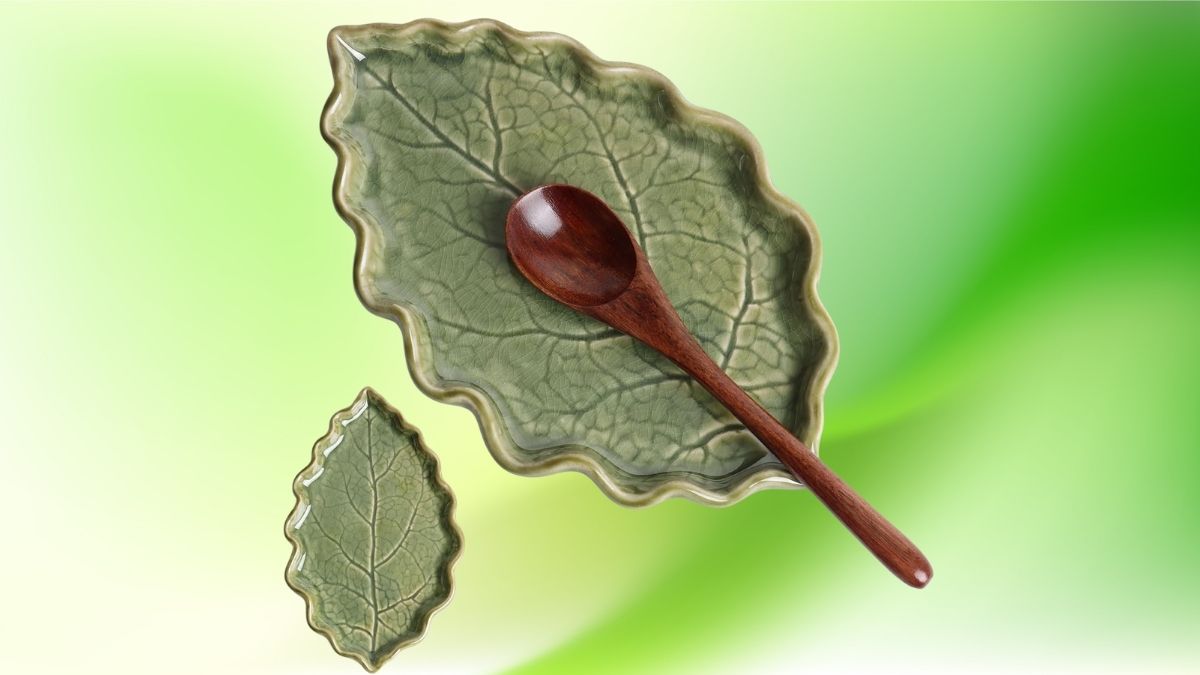
If you want something practical that also looks good, a leaf-shaped ceramic option can do both. The Anoonse green leaf-shaped ceramic spoon rest is designed to hold common utensils, protect surfaces, and add a subtle decorative touch to your cooking space.
What a Ceramic Spoon Rest Does for You During Cooking
You can think of a spoon rest as a small workflow tool. It reduces friction in the middle of cooking when you’re switching between stirring, tasting, and moving ingredients.
Here’s what you gain:
- Cleaner counters and stovetops: drips collect on the rest, not your surfaces
- Less dish waste: no need to grab extra plates or paper towels
- Better organization: you always know where your utensil goes
- Faster cleanup: fewer spills harden on counters while you cook
Ceramic vs. Silicone vs. Metal: Which One Fits Your Kitchen?
Different materials solve the same problem in different ways. Your best pick depends on how you cook and what you prioritize.
| Material | What you’ll like | What may annoy you | Best for |
| Ceramic | Easy to wipe, decorative, stable weight | Can chip if dropped | Everyday cooking + style |
| Silicone | Flexible, often heat-safe, lightweight | Can hold odors or stains over time | Busy kitchens, heavy use |
| Stainless steel | Durable, modern look, won’t stain | Can slide if too light | Minimalist setups |
Multiple perspectives:
- If you want a piece that looks like décor, ceramic usually wins.
- If you prioritize “unbreakable,” silicone may feel safer.
- If you want maximum durability with a modern look, stainless can work—but design options are often simpler.
What You Get with the Leaf-Shaped Ceramic Spoon Rest
If you’re choosing the Anoonse leaf-shaped spoon rest, you’re mainly buying for design, size, and ease of cleaning.
Shape and drip-catching design
The leaf form isn’t only decorative. The curved body helps catch drips and keeps your utensil from sliding off too easily. If you cook with sauces, oils, or soups, that curve matters.
Size and utensil compatibility
This style is built to handle more than a teaspoon. The surface is roomy enough for common tools.
It can hold:
- Cooking spoons
- Spatulas
- Ladles
- Tongs
- Small whisks
Glazed ceramic finish
A glazed finish helps resist staining and makes cleanup easier. If you wipe it quickly after use, you reduce the chance of pigment buildup from ingredients like turmeric, tomato sauce, or beet-based dishes.
Where It Works Best in Your Home
You don’t have to limit it to the stove. If you like multi-use kitchen pieces, this is where a leaf-shaped ceramic rest earns extra value.
- Prep station: rest knives or peelers beside your cutting board
- Tea setup: use it as a tea bag rest (glaze helps reduce staining)
- Serving moments: works as a small dish for olives, candies, or snacks
- Bathroom option: can function as a soap dish if your décor matches
Another perspective:
Some people prefer single-purpose kitchen tools to reduce clutter. If that’s you, you may only use it on the stove—and that’s still a solid use case.
Common Objections and Realistic Limitations
Not every kitchen accessory fits every user. Here are the main concerns you might have, and how to think about them.
“Ceramic breaks too easily.”
That’s a fair concern. Ceramic can chip or crack if dropped on tile or stone.
If you’re in a fast-moving household or you regularly drop kitchen items, silicone may feel safer.
“It’s decorative, but I only want function.”
If you want purely practical tools, you might prefer a wider, flatter rest with a deeper drip basin.
Still, the leaf shape can be practical if you like a rest that looks tidy on the counter even when not in use.
“Will it stain?”
Glazed ceramic is resistant, not invincible. If you leave heavily pigmented sauces to dry on it, you may see discoloration over time.
Your best prevention is simple: rinse or wipe soon after use.
How You Keep It Looking Clean Long-Term
You don’t need special care, but a few habits help protect the finish.
- Wipe during cooking if sauces build up
- Rinse soon after using strong pigments
- If using a dishwasher, place it on the top rack
- Avoid sudden temperature changes (like freezer to hot oven)
Is This Spoon Rest a Good Fit for You?
If you cook often and want a designated utensil spot that also looks decorative, this style makes sense. You get a stable ceramic rest, a wipe-clean glazed surface, and a shape that blends into a styled kitchen.
If you’re worried about breakage or you want something you can toss around without thinking, you may prefer silicone. But if you want a practical piece that also improves how your kitchen looks, a leaf-shaped ceramic spoon rest is a clean, simple upgrade.
You can find this type of ceramic spoon rest available on Amazon.