

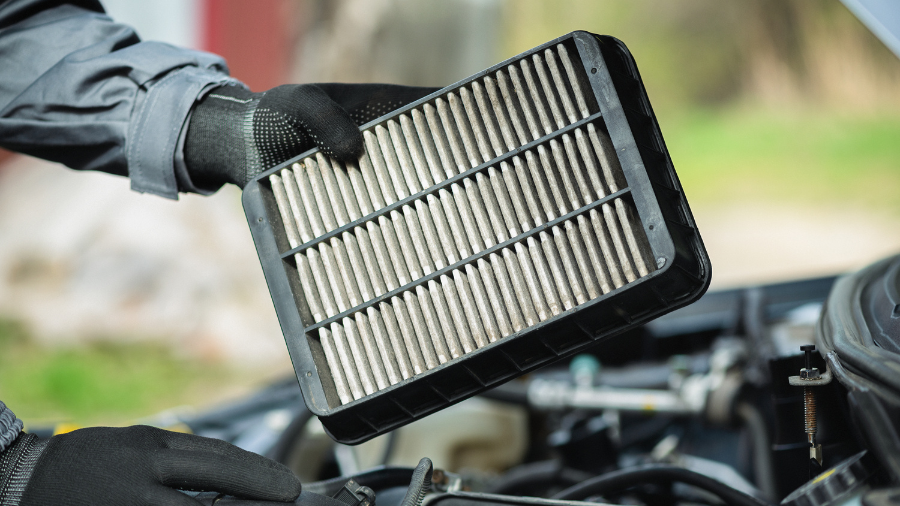
When was the last time you thought about your car’s air filter? This unsung hero of your vehicle’s respiratory system might be the most overlooked maintenance item that dramatically impacts your engine’s performance. I’ve seen engines choked with dirt due to neglected filters, and the difference a fresh, quality air filter makes is remarkable. According to automotive engineers, a clogged air filter can reduce fuel efficiency by up to 10% – that’s money literally burning away with each mile! From budget-friendly options like the $10 Pronto PA5821 to specialized OEM filters like Motorcraft’s FA-1883, today’s market offers solutions for every vehicle and driving condition. Let’s explore how these seemingly simple components can protect your engine and improve your driving experience.
Understanding Car Air Filters: Your Engine’s First Line of Defense
Car air filters serve as critical gatekeepers, preventing harmful contaminants from entering your engine system. These devices capture dust, dirt, debris, and even insects that would otherwise cause damage to internal engine components. The filtering media typically consists of pleated paper or cellulose material engineered to trap particles while maintaining optimal airflow to the engine.
The importance of a properly functioning air filter cannot be overstated. A clean filter contributes significantly to fuel efficiency, allowing your engine to “breathe” properly and maintain the ideal air-to-fuel ratio. This proper balance translates to better engine performance and reduced harmful emissions, making air filters an essential component of both engine health and environmental responsibility.
Most modern air filters are designed to last between 15,000-30,000 miles under normal driving conditions. However, this lifespan varies considerably depending on environmental factors. Drivers in dusty regions, rural areas, or heavily polluted urban centers will need more frequent replacements than those in cleaner environments.
Several warning signs indicate a clogged air filter. These include noticeably reduced acceleration, decreased fuel economy (sometimes by as much as 10-15%), and unusual engine sounds during operation. Regular inspection can help identify issues before they affect performance.
Types of Car Air Filters: Finding Your Perfect Match
OEM Filters
Original Equipment Manufacturer (OEM) filters like the Motorcraft FA-1883 are designed specifically to meet manufacturer specifications. These filters provide the exact filtration level and airflow characteristics the vehicle was designed to operate with. Ford owners particularly benefit from the precise engineering of Motorcraft filters, which ensure optimal performance for their specific engines.
Aftermarket Standard Filters
For budget-conscious drivers, aftermarket standard filters provide basic protection at affordable price points. The Pronto PA5821 and API 146464-07840493 represent this category well, offering adequate filtration for everyday driving conditions. These filters typically use similar materials to OEM versions but may vary slightly in construction quality.
Performance Filters
Performance-oriented drivers often opt for enhanced filter designs that prioritize airflow while maintaining adequate filtration. These specialized products can contribute to increased horsepower and torque by allowing engines to draw in air more efficiently. The trade-off often comes in the form of slightly reduced filtration or more frequent maintenance requirements.
Reusable/Washable Filters
Environmentally conscious drivers may prefer reusable filters that can be cleaned and reinstalled rather than disposed of. While these filters require a higher initial investment, they can prove economical over the vehicle’s lifetime. Most reusable filters feature specialized materials that can be washed, dried, and occasionally re-oiled before reinstallation.
Cabin Air Filters
Though not directly related to engine performance, cabin air filters play an important role in vehicle maintenance. These filters clean the air circulating inside the passenger compartment, removing allergens, pollutants, and odors. Regular replacement improves air quality for occupants and maintains efficient HVAC system operation.
Top Car Air Filters of 2025: Reviews and Comparisons
Best Budget Option: Pronto PA5821
The Pronto PA5821 stands out in the budget category with a price range of $10-$15. This filter utilizes pleated paper media that effectively captures dirt and debris while maintaining proper airflow for engine operation. Its OEM-style design ensures compatibility with various makes and models, making it an accessible choice for everyday drivers.
The straightforward design prioritizes reliable filtration without expensive additional features. Installation typically takes just minutes, and the filter performs admirably under normal driving conditions. While it lacks premium features, the Pronto delivers consistent performance at a price point that won’t strain maintenance budgets.
Best Value: Fram CA10262 Extra Guard
Fram’s CA10262 Extra Guard occupies the mid-range price segment at $15-$25 but delivers exceptional performance for the cost. This filter’s standout feature is its ability to capture twice the dirt compared to standard filters while maintaining excellent airflow characteristics. The result is a noticeable improvement in acceleration and fuel economy for many vehicles.
The Extra Guard uses advanced filter media technology that balances restriction and filtration, giving engines clean air without compromising performance. Its widespread compatibility makes it a versatile choice for various vehicle makes and models. For drivers seeking a step up from basic filtration without premium pricing, the Fram Extra Guard hits the sweet spot of performance and value.
Best for Ford Vehicles: Motorcraft FA-1883
Ford owners benefit significantly from choosing the Motorcraft FA-1883, priced between $15-$20. This OEM filter features high filtration efficiency with manufacturer-approved performance standards. The polyurethane sealing ensures tight fitment, preventing unfiltered air from bypassing the filter.
The multilayer filter media captures particles efficiently while maintaining the precise airflow Ford engines are designed to operate with. This optimization contributes to consistent fuel efficiency and engine performance. While its compatibility is limited primarily to Ford vehicles, it represents the gold standard for these applications.
Most Economical: API 146464-07840493
At just $8-$12, the API air filter represents the entry-level option for drivers seeking basic protection at minimal cost. Using standard cellulose filtering material, it provides adequate trapping of dirt and debris for light-duty applications. Its primary appeal lies in its affordability and ready availability across various retail channels.
This filter works best for older vehicles or daily commuters operating in relatively clean environments. While it doesn’t offer advanced features or extended service intervals, it performs its basic function reliably when replaced at appropriate intervals. Budget-conscious owners appreciate its low acquisition cost, though more frequent replacements may be necessary.
Key Comparison
Premium filters typically command higher upfront costs but offer advantages that may justify the investment. Enhanced filtration capabilities protect engines more effectively from abrasive particles, potentially extending engine life. Additionally, higher-quality filters often maintain their efficiency longer, allowing for extended replacement intervals in some cases.
The trade-off between immediate cost savings and long-term value depends largely on individual driving conditions and maintenance preferences. Those in dusty environments may find premium filters more economical despite higher initial costs, while drivers in cleaner areas might adequately protect their engines with standard options.
How to Choose the Right Air Filter for Your Vehicle

Selecting the appropriate air filter begins with compatibility. Consult your owner’s manual or use online lookup tools to identify filters designed specifically for your vehicle’s make, model, and engine type. Incorrect sizing can lead to poor fitment, allowing unfiltered air to bypass the filter entirely.
Your driving environment significantly impacts filter selection. Drivers in dusty regions, on unpaved roads, or in areas with heavy construction should consider filters with higher dirt-holding capacity. Conversely, those in cleaner environments might prioritize airflow characteristics over maximum filtration.
Maintenance habits also influence optimal filter choice. If you prefer minimal maintenance, standard disposable filters offer convenience at moderate cost. Those willing to perform regular cleaning might benefit from the long-term savings of reusable filters, despite their higher initial investment.
Vehicle purpose should factor into your decision as well. Performance-oriented vehicles benefit from filters optimized for maximum airflow, while economy-focused drivers might prioritize filtration efficiency for consistent fuel economy. Specialty vehicles used in extreme conditions may require specialized filters designed for their unique needs.
Cost considerations extend beyond purchase price. The cheapest filter might require replacement twice as often as a mid-range option, ultimately costing more over time. Calculate the total cost of ownership based on replacement intervals and filter pricing to identify the truly economical choice for your situation.
DIY Air Filter Replacement: Save Money and Protect Your Engine
Replacing your own air filter typically requires no special tools and takes less than 15 minutes. This simple maintenance task saves labor costs while ensuring your engine receives clean air. Most filters are readily accessible and designed for straightforward replacement.
Start by locating your air filter housing. This is usually a black plastic box connected to the engine’s intake, secured with metal clips or screws. Refer to your owner’s manual if you have difficulty finding it. Once located, open the housing carefully to avoid dislodging debris into the clean side of the filter assembly.
Remove the old filter with attention to its orientation and condition. The level of dirt accumulation provides valuable information about your driving environment and can help determine appropriate replacement intervals. Excessive debris might indicate the need for more frequent changes or a higher-capacity filter.
Before installing the new filter, take time to clean the housing thoroughly. Accumulated dirt inside the housing can be drawn into the engine if not removed. Use a damp cloth to wipe away debris, ensuring the sealing surfaces are clean for proper filter fitment.
Install the new filter in the same orientation as the original, ensuring it seats properly in the housing. Close the assembly securely, confirming that all clips or fasteners are fully engaged. Improper closure can allow unfiltered air to bypass the filter, negating its protective benefits.
When to Replace Your Car Air Filter: Timing and Warning Signs
Manufacturer recommendations typically suggest replacement every 15,000-30,000 miles under normal conditions. However, these guidelines assume relatively clean driving environments and moderate usage patterns. Your specific circumstances may necessitate more frequent changes.
Regular visual inspections provide the most reliable indicator of replacement timing. Examining your filter every 6 months or during routine oil changes allows you to assess its condition directly. Hold the filter up to a light source – significantly reduced light penetration indicates excessive dirt accumulation requiring replacement.
Environmental factors dramatically affect filter lifespan. Drivers in dusty, rural, or off-road environments may need replacements as frequently as every 5,000-10,000 miles. Similarly, areas with heavy pollen, ongoing road construction, or high pollution levels accelerate filter loading.
Performance indicators often signal when replacement is overdue. Reduced acceleration, decreased gas mileage, or unusual engine sounds during operation suggest restricted airflow that may be attributable to a clogged filter. Addressing these symptoms promptly helps maintain optimal engine performance.
Seasonal considerations apply in many regions. Areas with distinct pollen seasons or seasonal road treatments (like winter salt or summer construction dust) may benefit from replacement aligned with these environmental changes. This preventive approach ensures consistent filtration throughout varying conditions.
The Impact of Air Filter Quality on Engine Performance and Longevity
High-quality filters like Fram’s Extra Guard deliver measurable performance benefits. The improved airflow characteristics can enhance acceleration and throttle responsiveness, particularly in vehicles with naturally aspirated engines. This performance difference becomes most noticeable during high-demand driving situations.
The protective function of air filters directly impacts engine longevity. By preventing abrasive particles from entering the combustion chamber, quality filters reduce premature wear on cylinder walls, pistons, and valves. This protection is especially valuable in modern engines with precise tolerances and specialized coatings.
Filtration efficiency significantly affects combustion quality. Clean filters optimize the air-to-fuel ratio, improving combustion efficiency and reducing unburned fuel. This optimization contributes to both power output and emissions performance, making filter maintenance an environmental consideration as well as a performance factor.
Budget filters like API’s basic model present a value proposition based on initial cost rather than long-term performance. While adequate for basic transportation needs, these filters typically require more frequent replacement and may not provide the same level of engine protection as premium options. The trade-off becomes one of immediate savings versus potential long-term costs.
OEM filters such as Motorcraft ensure manufacturer-specified performance for specific vehicle applications. These filters maintain the exact filtration and flow characteristics the engine was designed to operate with, providing consistency and reliability. For drivers prioritizing factory-specified performance, OEM filters represent the benchmark standard despite their sometimes higher cost.
Your Engine Will Thank You: Making the Right Air Filter Choice
Your car’s air filter might seem insignificant compared to other components, but its impact on performance, efficiency, and engine life is substantial. Whether you opt for the budget-friendly Pronto PA5821, the enhanced protection of Fram’s Extra Guard, or the manufacturer-specific Motorcraft FA-1883, regular replacement is key to maintaining your vehicle’s health. I’ve seen firsthand how a simple filter change can transform a sluggish engine into a responsive machine. Remember that the best filter for your car depends on your specific vehicle, driving conditions, and maintenance preferences. By choosing wisely and replacing on schedule, you’re not just changing a filter—you’re investing in your engine’s future.