

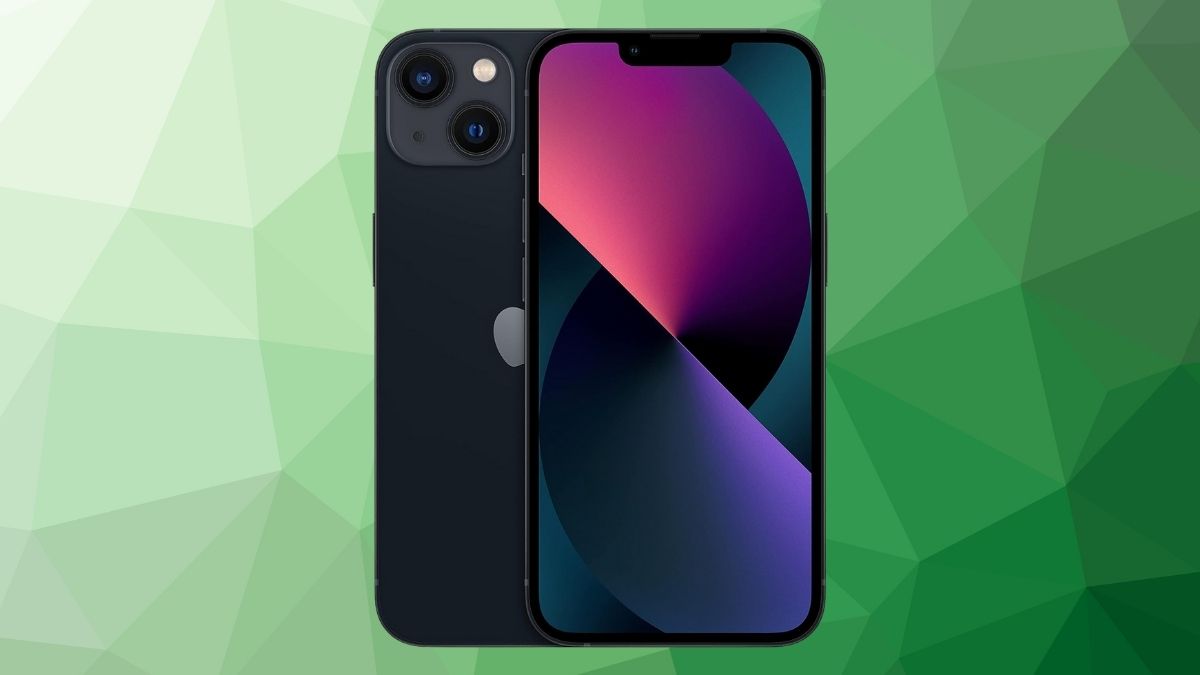
For under $300, a renewed iPhone 13 might seem like a gamble. But that lower price point doesn’t necessarily mean you’re settling.
This model offers a meaningful balance between proven performance and cost efficiency—if you go in knowing what to expect and what to check. Here’s why this option might actually be worth your investment, even in 2025.
It’s the A15 Bionic That Carries the Experience
Even today, the A15 Bionic chip continues to perform near the top of its class. It’s not just about speed—this processor enables computational photography, high-end gaming, and reliable multitasking without lag.
For most users, the difference between this and Apple’s newer chips is subtle unless you’re editing 4K video or using AI-driven creative tools.
- The six-core CPU and four-core GPU hold their own in 2025
- Most current apps still don’t outpace the A15’s capabilities
- Long-term iOS support is likely until at least 2026 or 2027
Metro PCS Compatibility Simplifies Ownership
Many renewed phones come with compatibility headaches—but this one doesn’t. It’s locked to Metro by T-Mobile, so you’re getting a carrier-specific version that’s plug-and-play:
- Supports Metro’s expanding 5G network (sub-6GHz and mmWave)
- Activation is straightforward whether you’re using nano-SIM or eSIM
- No restrictions on features—FaceTime, iMessage, and App Store work normally
Renewed Doesn’t Mean Risk-Free—but the Risk Is Calculated
The term “renewed” gets tossed around a lot, but in this case, it means:
- Tested and cleaned by Amazon-approved technicians
- No major cosmetic damage—though “like-new” is still subjective
- Generic packaging and limited accessories (no charger or EarPods)
The biggest concern is battery health. Apple allows you to check this in Settings, and you should do so immediately. A battery below 85% will noticeably affect your experience, and if it’s under 80%, you may want to use the Amazon Renewed Guarantee for a return or plan for a $69 battery replacement.
You’re Paying for the Experience, Not the Flash
There’s no USB-C, no always-on display, and no extra telephoto lens. But what you do get still delivers where it counts:
- Excellent OLED display with bright HDR visuals
- Surprisingly good dual-camera system with Smart HDR and Deep Fusion
- Dependable Face ID and IP68 water resistance
- All-day battery with moderate usage, depending on health status
This phone offers 95% of the flagship experience for half the cost of a new iPhone 13 and nearly a third of the price of Apple’s latest models. If you’re not chasing cutting-edge features, the iPhone 13 still hits the mark for most everyday tasks.
Why Customer Ratings Shouldn’t Be Dismissed—But Also Not Overblown
A 3.0-star average from five reviews is underwhelming—but it’s also a tiny sample. Renewed listings are constantly rotating based on stock, and individual unit quality varies. That means:
- One poor unit can drag down the rating
- Many satisfied buyers don’t leave reviews unless prompted
- Amazon’s 90-day policy gives you time to return a dud
This rating doesn’t mean the phone is bad—it means due diligence is necessary. It’s best for buyers who aren’t afraid to test thoroughly in the first few days.
Value Hinges on Battery Health and Expectations
This isn’t the right device for someone chasing the newest features or worried about minor blemishes. But it’s an excellent fit for:
- Users upgrading from iPhone X or earlier
- Metro PCS customers who want fast 5G without the flagship price
- Students, families, or budget-conscious buyers needing a reliable iPhone
- Anyone who replaces phones every few years rather than annually
The renewed iPhone 13 may not win style points in 2025, but it wins on substance—if you check the battery health, use the return window smartly, and don’t expect perfection. For $299, it’s not just a good deal—it’s a practical one.